

Fresh is healthy
A free roadmap to your healthiest life

Focus: Purpose + Positivity
1-minute watch - Click here for sound

Defining purpose
Purpose in life refers to having meaningful, self-transcendent goals or an enduring sense of direction that organizes daily activities and long-term aspirations. It is more than short-term motivation; it is a broad, future-oriented intention that imbues all of one's experiences, relationships, and achievements with meaning beyond oneself.
Latest research distinguishes between well-being categories of eudaimonic (meaning-oriented, purposeful) and hedonic (pleasure-oriented, fleeting). You are uniquely qualified for defining your life's overarching mission. You are capable of achieving the goals that you set for yourself. Realize this and you will succeed.

psychiatry
Research shows that individuals with a defined sense of purpose exhibit higher levels of emotional awareness, self-reflection insight, and adaptive coping skills. Purposeful individuals are more likely to develop and sustain goal-oriented behaviors. Purpose serves as a psychological buffer, enhancing the capacity to recover from trauma and persist through setbacks. People with purpose experience less stress, greater resilience, and lower rates of depression and anxiety across age, sex, and ethnic groups.
Adults lacking purpose have twice the rates of depression and anxiety compared to their purposeful peers and are more likely to feel alone and hopeless.

cognition
A 10-year study comparing patients with advanced age show people with higher baseline sense of purposefulness exhibited better memory, executive function, and verbal fluency at the study's conclusion. Those who reported lower baseline purposefulness exhibited faster cognitive decline, greater risk for mild cognitive impairment, and higher incidence of Alzheimer dementia, even after controlling for traditional risk factors. Purpose and cognitive function are intrinsically linked. Declines in purposefulness often precede or accompany worsening cognition, and the two reinforce one another in a negative spiral. Purpose keeps the mind sharp.

longevity
People with a high sense of purpose age slower at the cellular level (DNA methylation markers). A recent 10-year study shows that people with high purpose scores had a 46% lower risk of all-cause mortality compared to people with the lowest (after adjusting for age, health, and other behaviors). This survival advantage is dose-dependent – which means each advancement in purpose quartile correlates with a lower hazard ratio (HR) for all-cause and cause-specific mortality (the higher your sense of purpose, your lower risk of death). Bottom line: People with a high sense of purpose age at a slower rate and live longer lives that those with a low sense of self of purpose.
Power of Purpose


Immune System
Optimists exhibit higher numbers and greater activity of natural killer (NK) cells, T-cells, and antibodies. Recent studies show that people primed to experience positive emotions - or who regularly practice optimistic thinking - display lower levels of inflammatory cytokines and exhibit greater resilience during illnesses. Conversely, chronic stress and negative emotions dysregulate the hypothalamic-pituitary-adrenal axis, resulting in elevations of cortisol and immune suppression which increases vulnerability to infections and slows wound healing.

Cardiovascular
Optimism is robustly linked with better cardiovascular outcomes. People with high optimism scores enjoy a substantially lower risk of heart disease, stroke, and cardiac-related mortality. In a recent study, those categorized as highly optimistic were 10–38% less likely to suffer cardiac events and lived 5–15% longer than less optimistic peers, independent of health behaviors or demographic factors. Optimism is associated with lower levels of inflammatory biomarkers (e.g., interleukin-6) and better lipid profiles (higher HDL, lower triglycerides), and improved endothelial function.

Digestive
Recent research shows there is connection between hormones and our gastrointestinal system. This "gut-brain axis" is a bidirectional communication system linking mental states to gut health, hormone regulation, and immune response. Positive thinking reduces stress-driven changes in the gut microbiome, thereby improving digestion, nutrient absorption, and even the synthesis of neurotransmitters like serotonin - of which 90% is produced in the gut. Conversely, chronic stress worsens digestive issues and dysregulates hormone production within the gut.

Endocrine
Optimistic individuals display lower activation of the stress response, as indicated by blunted or more rapid normalization of cortisol following stressful events. The hypothalamic-pituitary-adrenal axis releases cortisol in reaction to stress, but chronic overactivity can damage immune regulation and promote inflammation. Longitudinal studies demonstrate that dispositional optimism is associated with a lower cortisol awakening response and diurnal cortisol output, underpinning a more balanced and resilient physiological profile.
Physiology of Positivity
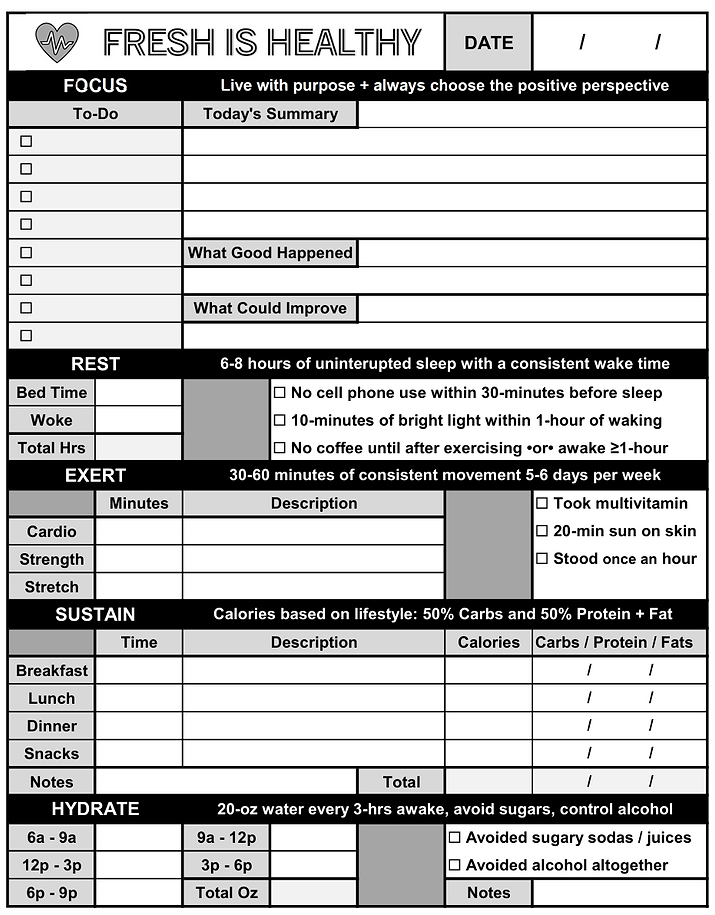
tracking your progress
Download The sheets here:
Only Page 1 Version (no learning)

Neuroplasticity
Modern neuroscience dispells the myth that brain architecture is fixed atchildhood. Neuroplasticity is the brain's capacity to rewire itself through experience and it operates throughout the lifespan. Repeated engagement in positive thoughts and emotions strengthens neural pathways in the prefrontal cortex (higher thinking) and controls activity in the amygdala (fear center). Even interventions as brief as eight weeks can elicit measurable changes in brain activity, cognitive flexibility, and emotional stability. There is a correlation between sustained optimism practice and cognitive improvement. This improved neuron structure further changes production of dopamine, serotonin, and endorphins. They are produced in greater quantities when individuals practice optimism, meditation, or acts of kindness. These shifts in neuronal structure and chemistry not only promote well-being but also reinforce the architecture for further optimistic thought.

Neurochemistry
Positive thinking triggers the release of the "happiness quartet" of neurotransmitters: dopamine, serotonin, endorphins, and oxytocin. These chemicals orchestrate mood regulation, reward processing, pain modulation, and social bonding. Dopamine is associated with motivation and reward-seeking behavior, serotonin stabilizes mood and reduces anxiety, endorphins act as natural painkillers, and oxytocin enhances feelings of trust and connection. Gratitude and optimism practices boost both dopamine and serotonin levels, increasing resilience to stress and depressive symptoms. Acts of kindness and social connection induce a surge of oxytocin, which lowers blood pressure, increases heart-rate variability, and buffers physiological responses to stress. Collectively, these neurochemical processes create a positive feedback loop, reinforcing behaviors and thought patterns conducive to further optimism and improving overall health.

Brain Density
Functional MRI studies show that consistent practice of optimism and gratitude increases gray matter density in the prefrontal cortex and enhances connectivity within emotional regulation circuits. As positive thinking becomes entrenched through repetition and emotional engagement, the brain's prefrontal cortex increases in density, and the amygdala's response to perceived threats is refined. This process of synaptic strengthening, myelination, and network integration supports not only emotional well-being but also better executive function, decision-making, and stress recovery. Theta brain wave activity increases with mindfulness and positive visualization, enhancing neuroplasticity and facilitating the absorption of positive beliefs and attitudes. Over many months, these habitual practices result in structural and functional changes that protect against anxiety, depression, and compounding effects of chronic stress.

Pain Perception
Psychological factors strongly modulate pain perception and tolerance. Optimistic individuals consistently report lower levels of pain in both clinical and experimental settings, employ less catastrophizing, and engage more adaptive coping strategies. Optimism enhances endogenous pain inhibition, increases placebo analgesic effects, and mitigates the transformation of acute to chronic pain by disrupting vicious cycles of fear-avoidance and hypervigilance. Numerous studies show participants who self-report high levels of optimism experience larger placebo analgesic effects, better pain coping, and lower reported pain intensity, even when controlling for confounders such as disease severity or comorbid anxiety. Studies of hope and optimism-based behavioral interventions (e.g. acceptance-commitment therapy or best-possible-self visualization) report increases in pain tolerance, lower distress, and improved overall function in situational stress environments.
Neurology of Cheerfulness
peer reviewed studies on positivity


Disposition
Individuals who possess higher levels of dispositional optimism (the generalized expectation that good things will happen) have better psychological flexibility, problem-solving abilities, and a tendency to view challenges as opportunities for growth instead of insurmountable threats. Optimists employ adaptive coping strategies (e.g. positive reappraisal and meaning-centered coping) which serve as buffers against suicidal thoughts by diminishing the impact of hopelessness. This protective effect translates to greater resilience, a trait characterized by the ability to bounce back from adversity and recover more quickly from traumatic events. Positive psychology interventions, such as gratitude journaling or "best possible self" exercises, successfully increase optimism levels, foster hope, and reduce psychological distress.

Utility in Therapy
Interventions such as cognitive-behavioral therapy (CBT) and newer positive CBT approaches help individuals identify, challenge, and reframe negative thought patterns, facilitating the cultivation of a more optimistic mindset. Techniques such as gratitude exercises, solution-focused questioning, and character strengths assessments are highly effective at increasing positive emotions, resilience, and life satisfaction. Meta-analyses confirm that positive psychology interventions yield significant improvements in depressive symptoms, well-being, and even chronic disease outcomes. When compared to their pesimistic counterparts, optimists display superior adherence to chronic disease treatment regimens, take medications as prescribed, and are less likely to engage in behaviors which increase their overall risk of early death.

Optimism Bias
The intentional overestimation of the likelihood of positive outcomes while discounting potential negative results. This bias is generally linked to reduced stress, increased motivation, and better goal attainment. Functional neuroimaging indicates that optimistic individuals are more likely to process positive information about themselves and update their expectations in a favorable direction, as evidenced by activity in the prefrontal cortex and reward networks. Optimism bias fosters motivation by encouraging individuals to pursue challenging goals despite setbacks. However, unchecked optimism bias can undermine risk assessment and prudent planning. The healthiest form of optimism combines positive expectations with realistic risk appraisal - a term coined 'psychological flexibility'. [48-49]

Genetic Interface
Optimism is affected by a genetic predisposition and by social and environmental forces. Consensus estimates that an individual's disposition is affected by genetics approximately 25% and by their surroundings approximately 75%. Strategies to improve one's social circumstances which support a robust positive outlook include fostering relationships with other positive people, becoming more deeply involved in activities which nourish communities, seeking positive role models, and sharing experiences with the like-minded. Conversely, environments marked by deprivation, violence, or social isolation can undermine optimism and resilience, emphasizing the importance of broader social determinants of health in fostering positivity. Stability and positivity correlate as do despair and instability. Helping others is associated with a 44% lower likelihood of early death.
Psychology of Sanguinity
References + Futher Reading
-
Purposeful and Purposeless Aging: Structural Issues for Sense of Purpose and Their Implications for Predicting Life Outcomes
https://midus.wisc.edu/findings/pdfs/2761.pdf -
Rewiring reward and purpose: A neurobiological framework for mindfulness enhanced hedonic and eudaimonic happiness in the brain
https://www.tandfonline.com/doi/pdf/10.1080/02673843.2025.2553726 -
Origins of purpose in life: Refining our understanding of a life well lived
https://psycnet.apa.org/record/2010-23922-008 -
The Impact of Human Purpose on Resiliency
https://www.psychologytoday.com/us/blog/hope-resilience/202103/the-impact-of-human-purpose-on-resiliency -
A Comprehensive Overview of Stress, Resilience, and Neuroplasticity Mechanisms
https://www.mdpi.com/1422-0067/26/7/3028 -
Self-Rated Health and Mortality: Moderation by Purpose in Life
https://midus.wisc.edu/wp-content/uploads/2024/04/2709.pdf -
Lack of purpose drives anxiety, depression in young adults
https://www.insidehighered.com/news/students/physical-mental-health/2023/11/01/lack-purpose-drives-anxiety-depression-young-adults -
Purpose in Life and Cognitive Function: Evidence for Momentary Associations in Daily Life
https://academic.oup.com/innovateage/article/8/3/igae018/7608741 -
A Sense of Purpose Promotes Cognitive Health
https://evidencebasedliving.human.cornell.edu/blog/a-sense-of-purpose-promotes-cognitive-health/ -
Effect of a Purpose in Life on Risk of Incident Alzheimer Disease and Mild Cognitive Impairment in Community-Dwelling Older Persons
https://jamanetwork.com/journals/jamapsychiatry/fullarticle/210648 -
Epigenetic Clocks: Beyond Biological Age, Using the Past to Predict the Present and Future
https://www.aginganddisease.org/EN/10.14336/AD.2024.1495 -
Sense of meaning and purpose in life and risk of incident dementia: New data and meta-analysis
https://www.ukbiobank.ac.uk/publications/sense-of-meaning-and-purpose-in-life-and-risk-of-incident-dementia-new-data-and-meta-analysis/ -
Measuring Age and Epigenetic Clocks
https://www.ifm.org/articles/measuring-age-and-epigenetic-clocks -
Emotions do affect our immunity: Optimism Pays
https://hippocrateswellness.org/emotions-do-affect-our-immunity-optimism-pays/ -
Psychoneuroimmunology: The Study of Mind-Body Interactions
https://immunizenevada.org/psychoneuroimmunology-the-study-of-mind-body-interactions/ -
Positive emotions and immunity
https://psycnet.apa.org/record/2012-16539-006 -
Hypothalamic-Pituitary-Adrenal (HPA) Axis
https://www.simplypsychology.org/hypothalamic-pituitary-adrenal-axis.html -
If you are happy and you know it, you may live longer
https://www.health.harvard.edu/blog/if-you-are-happy-and-you-know-it-you-may-live-longer-2019101618020 -
High optimism linked with longer life and living past 90 in women across racial and ethnic groups
https://hsph.harvard.edu/news/optimism-longevity-women/ -
Healthy Neighborhoods
https://www.heart.org/en/-/media/Files/About-Us/Policy-Research/Policy-Positions/Social-Determinants-of-Health/Housing--Neighborhoods-and-Access-Policy.pdf -
Is Optimism a Protective Factor for Cardiovascular Disease
https://link.springer.com/content/pdf/10.1007/s11886-021-01590-4.pdf -
A positive mindset can help your heart
https://www.health.harvard.edu/blog/a-positive-mindset-can-help-your-heart-2019021415999 -
Exploring the Relationship Between Optimism and Cardiovascular Health
https://www.cardiometabolichealth.org/exploring-the-relationship-between-optimism-cardiovascular-health/ -
The New Science of Optimism and Longevity
https://thereader.mitpress.mit.edu/the-new-science-of-optimism-and-longevity/ -
Association of Optimism With Cardiovascular Events and All-Cause Mortality
https://europepmc.org/article/pmc/6777240 -
What Is the Neuroscience Behind Positive Thinking
https://mybrainrewired.com/cognitive-behavior-cbt/neuroscience-behind-positive-thinking/ -
The Power of Positive Thinking and Its Connection to Gut Health
https://www.drpatriciafordwellness.com/body-image/the-power-of-positive-thinking-and-its-connection-to-gut-health-weight-and-hormones/ -
Hypothalamic-Pituitary-Adrenal (HPA) Axis
https://www.simplypsychology.org/hypothalamic-pituitary-adrenal-axis.html -
Understanding the Neuroscience Behind Positive Thinking Habits
https://mybrainrewired.com/cognitive-behavior-cbt/understanding-neuroscience-positive-thinking-habits/ -
What Is the Neuroscience Behind Positive Thinking
https://mybrainrewired.com/cognitive-behavior-cbt/neuroscience-behind-positive-thinking/ -
Can Good Vibes Actually Rewire Your Brain
https://www.psychologytoday.com/us/blog/common-sense-science/202503/can-good-vibes-actually-rewire-your-brain -
Optimistic people are all alike: Shared neural representations
https://www.pnas.org/doi/pdf/10.1073/pnas.2511101122 -
Feel-good hormones: How they affect your mind, mood, and body
https://www.health.harvard.edu/mind-and-mood/feel-good-hormones-how-they-affect-your-mind-mood-and-body -
The Science of Kindness
https://www.randomactsofkindness.org/the-science-of-kindnes -
Twenty-nine Effective Ways to Increase Oxytocin Levels in the Brain
https://www.optimallivingdynamics.com/blog/25-effective-ways-to-increase-oxytocin-levels-in-the-brain -
Ten Natural Ways to Boost Oxytocin (The “Love Hormone”)
https://drcindyjakubiec.com/how-to-increase-oxytocin-naturally-10-holistic-ways/ -
Cultivating Optimism With Neuroplasticity
https://www.psychologytoday.com/us/blog/brain-reboot/202502/cultivating-optimism-with-neuroplasticity -
Optimism and the Experience of Pain
https://cris.maastrichtuniversity.nl/ws/files/64033898/Peters_2019_optimism_and_the_experience_of.pdf -
The Relationship Between Psychological Resilience and Pain Threshold
https://link.springer.com/article/10.1007/s10880-020-09731-7 -
An Integrative Review of the Influence of Expectancies on Pain
https://www.frontiersin.org/journals/psychology/articles/10.3389/fpsyg.2016.01270/full -
The Neuroscience of Optimism
https://www.oxjournal.org/the-neuroscience-of-optimism/ -
Optimism and Coping with Chronic Illness
https://psychology.iresearchnet.com/health-psychology/optimism-and-health/optimism-and-coping-with-chronic-illness/ -
Cultivating Optimism With Neuroplasticity
https://www.psychologytoday.com/us/blog/brain-reboot/202502/cultivating-optimism-with-neuroplasticity -
What Is Positive CBT? Using Positive Psychology in Therapy
https://positivepsychology.com/positive-cbt/ -
How Mental Health Therapy Encourages Positive Thinking Strategies
https://www.heartwisesupport.org/post/how-mental-health-therapy-encourages-positive-thinking-strategies -
The Link between Cognitive Behavior Therapy and Positive Psychology
https://beckinstitute.org/blog/the-link-between-cognitive-behavior-therapy-and-positive-psychology/ -
Optimism Bias: Why We Ignore Risks and Overestimate Success
https://www.psychologs.com/optimism-bias-why-we-ignore-risks-and-overestimate-success/ -
Optimism Bias: Mechanisms, Implications, and Mitigation
https://www.leadershipiq.com/blogs/leadershipiq/optimism-bias -
Optimism is associated with exceptional longevity
https://www.pnas.org/doi/pdf/10.1073/pnas.1900712116 -
How Important Are Our Neighborhoods and Built Environments
https://www.osmosis.org/blog/how-important-are-our-neighborhoods-and-built-environments-in-shaping-our-health -
Neighborhood and Built Environment
https://www.cdc.gov/prepyourhealth/discussionguides/neighborhood.htm -
Healthy Neighborhoods
https://www.heart.org/en/-/media/Files/About-Us/Policy-Research/Policy-Positions/Social-Determinants-of-Health/Housing--Neighborhoods-and-Access-Policy.pdf